
Professional Certificate in Developing Accessibility in eLearning
Earn a Professional Certificate in Developing Accessibility in eLearning to enhance digital course accessibility, inclusivity, and user experience.
Professional Certificate in Developing Accessibility in eLearning
Programme Overview
The Professional Certificate in Developing Accessibility in eLearning is designed for professionals, educators, and developers who are committed to creating inclusive and accessible digital learning environments. This program equips participants with the necessary skills to design, develop, and deliver eLearning content that is accessible to individuals with various disabilities. It covers a broad range of topics, including universal design principles, assistive technologies, accessibility standards such as WCAG , and legal requirements related to accessibility in education and training.
Participants will gain key skills in content adaptation, accessible user interface design, and multimedia accessibility. They will learn how to apply principles of inclusive design to create eLearning materials that are compatible with assistive technologies, and they will become proficient in using tools and frameworks to ensure compliance with accessibility guidelines. The curriculum also focuses on creating effective communication strategies to engage diverse learners, fostering an inclusive learning environment that supports all participants.
This certificate program significantly enhances career prospects for professionals in eLearning, digital media, and education. Graduates are well-prepared to lead accessibility initiatives within organizations, develop accessible eLearning courses, and advocate for inclusive practices. By obtaining this certification, learners can demonstrate their commitment to accessibility and inclusivity, making them valuable assets in the ever-evolving field of eLearning.
What You'll Learn
Embark on a transformative journey with the Professional Certificate in Developing Accessibility in eLearning. This cutting-edge program equips professionals with the skills and knowledge to design, develop, and implement accessible eLearning content, ensuring inclusivity and equity in digital education. By mastering key topics such as accessible web design, universal design principles, and assistive technology, participants gain a comprehensive understanding of how to create learning environments that cater to diverse learners, including those with disabilities.
Upon completion, graduates can apply their skills to enhance the accessibility of existing eLearning materials and platforms, ensuring compliance with international standards like WCAG They will also be adept at using tools and technologies that facilitate inclusive design, such as screen readers, captioning services, and interactive forms. This program not only prepares learners for immediate impact in their current roles but also opens pathways to specialized positions in eLearning accessibility.
Career opportunities abound for graduates, from accessibility consultants and instructional designers to learning technologists and user experience specialists. Whether aiming to advance in their current field or transitioning into a role focused on accessibility, this certificate provides the essential foundation needed to excel. Join this initiative to shape a future where digital learning is accessible to everyone.
Programme Highlights
Industry-Aligned Curriculum
Developed with industry leaders for job-ready skills valued by employers worldwide.
Globally Recognised Certificate
Recognised by employers across 180+ countries as a mark of professional excellence.
Flexible Online Learning
Study at your own pace with lifetime access to all course materials and updates.
Instant Access
Start learning immediately — no application process or waiting period required.
Constantly Updated Content
Stay ahead with the latest industry trends, best practices, and emerging insights.
Career Advancement
87% of graduates report measurable career progression within 6 months of completion.
Topics Covered
- 1. Introduction to Accessibility in eLearning: Learners will explore the importance of accessibility in eLearning, understanding various disabilities and their impact on learning. They will gain foundational skills in creating accessible content and complying with WCAG 2.1 guidelines.
- 2. Assistive Technologies and Their Role: This module covers the role of assistive technologies and how they are used by individuals with disabilities. Learners will learn to identify and integrate assistive technologies into their eLearning design to enhance accessibility.
- 3. Developing Accessible Visual Content: Learners will study techniques for creating accessible images, videos, and graphics. They will gain practical skills to ensure that all visual content is accessible to users with visual impairments.
- 4. Designing Accessible Interactivity and Navigation: This module focuses on designing interactive content and navigation that is accessible to all users, including those using assistive technologies. Learners will learn to create accessible forms, buttons, and menus.
- 5. Authoring Tools and Accessibility: Learners will explore various eLearning authoring tools and their accessibility features. They will learn to evaluate and select tools that meet accessibility standards and develop content using these tools.
- 6. Testing and Evaluating eLearning Accessibility: This module covers the process of testing and evaluating the accessibility of eLearning materials. Learners will learn to use various accessibility testing tools and techniques to ensure compliance with accessibility standards.
- 7. Legal and Ethical Considerations in Accessibility: Learners will examine legal and ethical issues related to accessibility in eLearning. They will understand the implications of accessibility compliance and learn to advocate for accessible learning environments.
- 8. User-Centered Design for Accessibility: This module focuses on designing eLearning experiences that are user-centered and accessible. Learners will learn to involve individuals with disabilities in the design process to ensure that content meets their needs.
- 9. Emerging Trends in Accessibility: Learners will explore the latest trends and innovations in accessibility technology and practices. They will gain insights into future developments and how to incorporate them into their eLearning design.
- 10. Creating Inclusive Learning Environments: This final module focuses on creating inclusive learning environments that accommodate a diverse range of learners. Learners will develop strategies to promote inclusivity and ensure that all learners can benefit from eLearning.
What You Get When You Enroll
Secure checkout • Instant access • Certificate included
Key Facts
Audience: eLearning developers, instructional designers
Prerequisites: Basic understanding of eLearning design
Outcomes: Certified in accessibility standards, enhanced design skills
Ready to get started?
Join thousands of professionals who already took the next step. Enroll now and get instant access.
Enroll Now — $149Why This Course
Enhanced Career Opportunities: Earning a Professional Certificate in Developing Accessibility in eLearning equips professionals with specialized skills to design inclusive learning environments. This certification can open doors to roles in eLearning development, educational technology, and digital accessibility, where demand for experts in accessible content is growing.
Improved Skill Set: The certificate focuses on practical skills such as integrating accessibility guidelines, creating screen reader-friendly content, and developing multimedia that is accessible to users with various disabilities. These skills are essential for creating effective and compliant eLearning materials, enhancing the user experience and ensuring compliance with legal standards like the Americans with Disabilities Act (ADA).
Competitive Advantage: In a rapidly evolving field of eLearning, professionals with this certification stand out. Employers value candidates who can demonstrate a commitment to accessibility and inclusivity. This certification not only highlights a professional’s expertise but also their dedication to creating equitable learning opportunities for all users.
Career Growth: Over time, proficiency in developing accessible eLearning can lead to leadership roles in educational technology and instructional design. The ability to lead accessibility initiatives and mentor other professionals in the field is highly valued, making this certification a stepping stone for career advancement.
Your Path to Certification
Trusted by Professionals Worldwide
Course Brochure
Download our comprehensive course brochure with all details
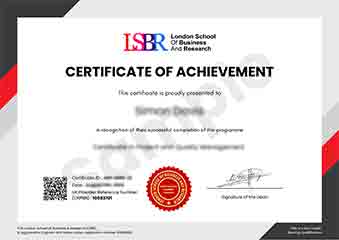
Sample Certificate
Preview the certificate you'll receive upon successful completion of this program.
Get Free Course Info
Enter your details and we'll send you a comprehensive course information pack straight to your inbox.
Employer Sponsored Training
Let your employer invest in your professional development. Request a corporate invoice and get your training funded.
Request Corporate InvoiceWhat People Say About Us
Hear from our students about their experience with the Professional Certificate in Developing Accessibility in eLearning at LSBRX - Executive Education.
James Thompson
United Kingdom"The course content was incredibly thorough, covering all the essential aspects of accessibility in eLearning. I gained practical skills that I can immediately apply to enhance the accessibility of my eLearning materials, which is incredibly beneficial for my career."
Ahmad Rahman
Malaysia"This course has been instrumental in enhancing my understanding of accessibility in eLearning, making my content more inclusive and user-friendly. It has not only equipped me with practical skills but also opened up new career opportunities in the field of digital education."
Muhammad Hassan
Malaysia"The course structure is well-organized, providing a clear path from foundational concepts to advanced strategies for developing accessible eLearning content. It offers a wealth of knowledge that directly enhances my ability to create inclusive digital learning experiences."