
Professional Certificate in Pneumatic System Performance Optimization
Elevate your skills in optimizing pneumatic system performance for enhanced efficiency and reliability.
Professional Certificate in Pneumatic System Performance Optimization
Programme Overview
The Professional Certificate in Pneumatic System Performance Optimization is designed for engineers, maintenance technicians, and production managers seeking to enhance the efficiency and reliability of pneumatic systems in industrial settings. The programme delves into the principles of pneumatic system design, operation, and maintenance, with a focus on real-world applications and practical problem-solving techniques. Participants will learn to diagnose and rectify issues, optimize system performance, and implement energy-saving strategies to reduce costs and improve operational efficiency.
Key skills and knowledge developed include the ability to analyze pneumatic system components, understand the interaction between system components, and apply advanced diagnostic tools to identify and resolve performance issues. Learners will gain proficiency in selecting appropriate pneumatic components, designing and implementing control strategies, and managing maintenance schedules to ensure system reliability. The programme also emphasizes the importance of safety protocols, environmental considerations, and sustainable practices in pneumatic system management.
Career impact is significant, as graduates of this programme are well-equipped to take on leadership roles in optimizing pneumatic systems, contributing to cost savings, and enhancing overall plant productivity. They can expect to advance in their current roles or transition into specialized positions focused on system optimization, maintenance engineering, or project management in industries ranging from manufacturing to process engineering.
What You'll Learn
The Professional Certificate in Pneumatic System Performance Optimization is a comprehensive program designed to equip engineers and technicians with the advanced knowledge and practical skills needed to enhance the efficiency and reliability of pneumatic systems. This program offers a unique blend of theoretical learning and hands-on training, making it invaluable for professionals seeking to optimize pneumatic systems in industries such as manufacturing, automotive, and aerospace.
Key topics include the principles of pneumatics, system design and analysis, fluid power components, and advanced control techniques. Participants will learn to diagnose and resolve performance issues, implement energy-saving strategies, and integrate automation technologies. Through case studies and real-world projects, learners gain practical experience in optimizing system performance, reducing downtime, and improving overall operational efficiency.
Graduates of this program are well-prepared to enhance the performance of pneumatic systems, leading to significant cost savings and increased productivity. They can apply their skills in various roles, such as maintenance engineers, system analysts, and project managers. Career opportunities extend to both entry-level and advanced positions, and the program’s flexible, modular format allows professionals to tailor their learning to specific career goals.
Programme Highlights
Industry-Aligned Curriculum
Developed with industry leaders for job-ready skills valued by employers worldwide.
Globally Recognised Certificate
Recognised by employers across 180+ countries as a mark of professional excellence.
Flexible Online Learning
Study at your own pace with lifetime access to all course materials and updates.
Instant Access
Start learning immediately — no application process or waiting period required.
Constantly Updated Content
Stay ahead with the latest industry trends, best practices, and emerging insights.
Career Advancement
87% of graduates report measurable career progression within 6 months of completion.
Topics Covered
- 1. Introduction to Pneumatic Systems: Learners will explore fundamental concepts of pneumatic systems, including components, terminology, and basic principles. They will gain foundational knowledge to understand how pneumatics work and their applications.
- 2. Pneumatic System Design and Layout: This module covers the design process of pneumatic systems, focusing on layout planning, component selection, and system schematics. Learners will develop skills in creating efficient and effective pneumatic system designs.
- 3. Pneumatic Actuators and Their Performance: In this module, learners will study various types of pneumatic actuators and their performance characteristics. Practical skills include analyzing actuator performance and selecting suitable actuators for specific applications.
- 4. Pneumatic Control Valves and Their Functions: This module delves into the types, functions, and applications of pneumatic control valves. Learners will gain the ability to select and configure valves for precise control and reliable operation.
- 5. Pneumatic System Sizing and Capacity Calculation: Learners will learn how to size pneumatic systems and calculate capacity requirements based on system parameters and fluid dynamics. Practical skills include performing accurate sizing and capacity calculations.
- 6. Pneumatic System Testing and Diagnostics: This module focuses on testing and diagnostic techniques for pneumatic systems. Learners will develop skills in identifying and resolving system issues, ensuring optimal performance and reliability.
- 7. Advanced Pneumatic System Optimization Techniques: In this advanced module, learners will explore optimization techniques for complex pneumatic systems. Skills covered include energy efficiency improvements, system integration, and performance enhancement strategies.
- 8. Pneumatic System Maintenance and Troubleshooting: This module covers best practices for maintaining pneumatic systems and troubleshooting common issues. Learners will gain practical skills in routine maintenance and troubleshooting to prevent system failures.
- 9. Pneumatic System Safety and Compliance: This module addresses safety standards and regulatory compliance for pneumatic systems. Learners will understand the importance of safety in system design and operation, and how to ensure compliance with industry standards.
- 10. Pneumatic System Case Studies and Project Management: In the final module, learners will analyze real-world case studies and apply project management principles to optimize pneumatic systems. Practical skills include problem-solving, project planning, and system performance evaluation.
What You Get When You Enroll
Secure checkout • Instant access • Certificate included
Key Facts
For professionals in engineering
No prior certification required
Understand pneumatic system principles
Identify performance issues
Implement optimization techniques
Enhance system efficiency and reliability
Ready to get started?
Join thousands of professionals who already took the next step. Enroll now and get instant access.
Enroll Now — $149Why This Course
Enhanced Expertise: Gaining a Professional Certificate in Pneumatic System Performance Optimization equips professionals with advanced knowledge in designing and optimizing pneumatic systems. This includes understanding complex interactions between system components and identifying areas for improvement, which can significantly enhance operational efficiency and reduce downtime.
Career Advancement: The certificate can serve as a key differentiator in a competitive job market. Employers value candidates who can demonstrate specialized skills in optimizing pneumatic systems. This credential can open doors to more advanced roles within the organization or opportunities for higher-level positions in the industry.
Practical Application of Skills: The course content focuses on real-world applications, providing professionals with hands-on experience in analyzing and solving practical problems. This practical training can lead to immediate improvements in workplace pneumatic systems, making professionals more valuable contributors to their teams.
Industry Relevance: The certificate is regularly updated to reflect the latest trends and technologies in pneumatic system optimization. By staying current with industry standards and best practices, professionals can maintain their relevance and effectiveness in an evolving field, ensuring they are always at the forefront of pneumatic system performance management.
Your Path to Certification
Trusted by Professionals Worldwide
Course Brochure
Download our comprehensive course brochure with all details
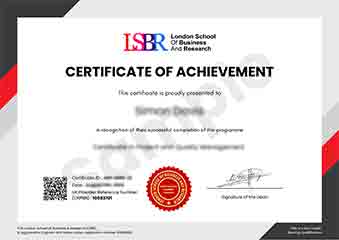
Sample Certificate
Preview the certificate you'll receive upon successful completion of this program.
Get Free Course Info
Enter your details and we'll send you a comprehensive course information pack straight to your inbox.
Employer Sponsored Training
Let your employer invest in your professional development. Request a corporate invoice and get your training funded.
Request Corporate InvoiceWhat People Say About Us
Hear from our students about their experience with the Professional Certificate in Pneumatic System Performance Optimization at LSBRX - Executive Education.
James Thompson
United Kingdom"The course content is incredibly thorough and well-structured, providing a deep understanding of pneumatic system optimization that has significantly enhanced my practical skills. I've gained valuable knowledge that I can directly apply to improve system performance in my current role, and I feel more confident in tackling complex pneumatic challenges."
Connor O'Brien
Canada"This course has been incredibly valuable in enhancing my understanding of pneumatic systems and their optimization, directly applying to real-world industrial challenges. It has not only deepened my technical skills but also opened up new career opportunities in advanced manufacturing roles."
Ryan MacLeod
Canada"The course structure is well-organized, providing a clear path from basic principles to advanced applications in pneumatic system performance optimization, which has significantly enhanced my understanding and practical skills in the field."