
Executive Development Programme in Engineering Design Software: Hands-On Project-Based Learning
This programme offers hands-on, project-based learning to enhance engineering design software skills, boosting productivity and innovation in design processes.
Executive Development Programme in Engineering Design Software: Hands-On Project-Based Learning
Programme Overview
The Executive Development Programme in Engineering Design Software is tailored for seasoned engineers and professionals in the design and manufacturing sectors seeking to enhance their proficiency in cutting-edge engineering design software. This comprehensive programme integrates advanced software applications with practical, hands-on projects, enabling participants to apply theoretical knowledge in real-world scenarios. The curriculum covers a wide range of software tools, including CAD, simulation, and data analysis software, ensuring that learners are adept at using these tools to develop innovative solutions.
Key skills and knowledge developed through this programme include a deep understanding of engineering design principles, proficiency in utilizing various design software applications, and the ability to conduct complex simulations and data analysis. Participants will also cultivate critical thinking, problem-solving, and project management skills, which are essential for driving innovation and improving product development processes. Regular feedback from industry experts and the opportunity to collaborate with peers in collaborative challenges foster a dynamic learning environment.
The career impact of this programme is significant, as participants emerge with enhanced technical capabilities and a portfolio of project-based work that can bolster their resumes. Graduates are well-equipped to lead projects, innovate new designs, and optimize manufacturing processes, contributing to the strategic success of their organizations. The programme also opens doors to leadership roles and advanced positions within the engineering and design industries, positioning participants at the forefront of technological advancements.
What You'll Learn
The Executive Development Programme in Engineering Design Software: Hands-On Project-Based Learning is a transformative initiative designed for experienced professionals aiming to enhance their expertise in engineering design software. This program combines rigorous theoretical instruction with practical, project-based learning, ensuring that participants emerge with advanced skills in software utilization and innovative problem-solving capabilities. Key topics include CAD fundamentals, advanced modeling techniques, automation scripting, and integration of software with industry-standard hardware.
Participants engage in real-world projects that mirror industry challenges, providing a platform to apply theoretical knowledge in a hands-on environment. By the end of the program, graduates will have developed the ability to lead complex design projects, optimize production processes, and innovate within their organizations. This skill set is highly valued in the engineering and design sectors, opening doors to leadership roles, such as design manager, project lead, and innovation director.
This program not only equips professionals with cutting-edge technical skills but also fosters a deeper understanding of design software's role in driving industry innovation. Graduates are well-prepared to take on leadership roles, drive process improvements, and contribute to the development of new products and technologies. Join us to elevate your expertise and leadership in engineering design software.
Programme Highlights
Industry-Aligned Curriculum
Developed with industry leaders for job-ready skills valued by employers worldwide.
Globally Recognised Certificate
Recognised by employers across 180+ countries as a mark of professional excellence.
Flexible Online Learning
Study at your own pace with lifetime access to all course materials and updates.
Instant Access
Start learning immediately — no application process or waiting period required.
Constantly Updated Content
Stay ahead with the latest industry trends, best practices, and emerging insights.
Career Advancement
87% of graduates report measurable career progression within 6 months of completion.
Topics Covered
- 1. Introduction to Engineering Design Software: Learners will be introduced to various engineering design software tools and their applications. They will gain foundational knowledge on software interfaces and basic functionalities.
- 2. 2D Design Fundamentals: Learners will study 2D design principles and techniques, learning to create and manipulate 2D models. Practical skills include drafting, dimensioning, and file management.
- 3. 3D Modeling Basics: Learners will explore 3D modeling concepts and techniques, focusing on creating and modifying 3D objects. Key skills include surface modeling, solid modeling, and rendering basics.
- 4. Advanced 3D Modeling Techniques: Learners will delve into advanced 3D modeling techniques such as boolean operations, lofting, and surface editing. They will apply these skills to create complex geometric shapes.
- 5. Simulation and Analysis: Learners will learn how to perform various simulations and analyses using engineering design software. Practical skills include stress analysis, thermal analysis, and optimization techniques.
- 6. Automation and Scripting: Learners will understand the basics of scripting and automation in engineering design software. They will develop skills in writing scripts to automate repetitive tasks and improve workflow efficiency.
- 7. Project Management in Engineering Design: Learners will study project management principles and their application in engineering design. Practical skills include planning, scheduling, and resource allocation for engineering projects.
- 8. Advanced Project-Based Learning: Learners will work on complex, real-world projects, applying all the skills learned throughout the programme. They will demonstrate their ability to integrate multiple software tools and techniques in a practical setting.
- 9. User Interface Customization: Learners will learn how to customize the user interface of engineering design software to suit their specific needs and workflow. Key skills include customizing toolbars, creating macros, and configuring preferences.
- 10. Best Practices and Industry Standards: Learners will explore best practices and industry standards in engineering design. They will learn about quality assurance, data management, and compliance with industry regulations.
What You Get When You Enroll
Secure checkout • Instant access • Certificate included
Key Facts
Audience: Engineers, designers, project managers
Prerequisites: Basic software skills, engineering knowledge
Outcomes: Enhanced design skills, project completion experience, certification
Ready to get started?
Join thousands of professionals who already took the next step. Enroll now and get instant access.
Enroll Now — $199Why This Course
Enhanced Practical Skills: Engaging in an Executive Development Programme in Engineering Design Software, particularly through hands-on project-based learning, allows professionals to refine and expand their technical skills. This program offers real-world scenarios that simulate professional challenges, enabling participants to apply theoretical knowledge in practical situations. For instance, hands-on projects in CAD software can improve drafting accuracy and efficiency, essential for engineering professionals.
Advanced Problem-Solving Abilities: The programme emphasizes problem-solving through complex projects, which can significantly enhance participants' ability to tackle intricate engineering design challenges. By working on diverse projects, professionals develop a robust analytical approach and learn to use advanced features of engineering design software effectively. This not only strengthens their problem-solving skills but also prepares them to lead complex projects in their organizations.
Leadership and Collaboration: This programme also focuses on leadership and collaborative skills, crucial for senior engineering roles. Through group projects and peer interaction, professionals learn to communicate effectively, manage tasks, and work collaboratively. These soft skills are vital for project management and leadership, enabling participants to guide teams towards successful project outcomes.
Your Path to Certification
Trusted by Professionals Worldwide
Course Brochure
Download our comprehensive course brochure with all details
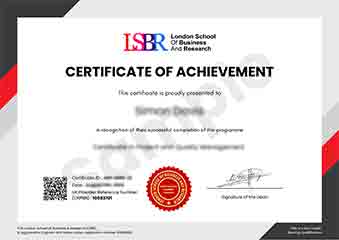
Sample Certificate
Preview the certificate you'll receive upon successful completion of this program.
Get Free Course Info
Enter your details and we'll send you a comprehensive course information pack straight to your inbox.
Employer Sponsored Training
Let your employer invest in your professional development. Request a corporate invoice and get your training funded.
Request Corporate InvoiceWhat People Say About Us
Hear from our students about their experience with the Executive Development Programme in Engineering Design Software: Hands-On Project-Based Learning at LSBRX - Executive Education.
Charlotte Williams
United Kingdom"The course provided high-quality, detailed materials that were directly applicable to real-world engineering design challenges. Gained substantial practical skills, especially in using advanced software tools, which have already enhanced my project capabilities and opened new career opportunities."
Greta Fischer
Germany"This program has been incredibly practical, equipping me with advanced engineering design software skills that are directly applicable in the industry. It has opened up new opportunities for career advancement and has made me more competitive in my field."
Arjun Patel
India"The course structure was meticulously organized, providing a seamless progression from foundational concepts to advanced applications, which significantly enhanced my understanding and practical skills in engineering design software. The project-based approach not only deepened my knowledge but also prepared me for real-world challenges, fostering professional growth in a dynamic field."